
Vintage
2022
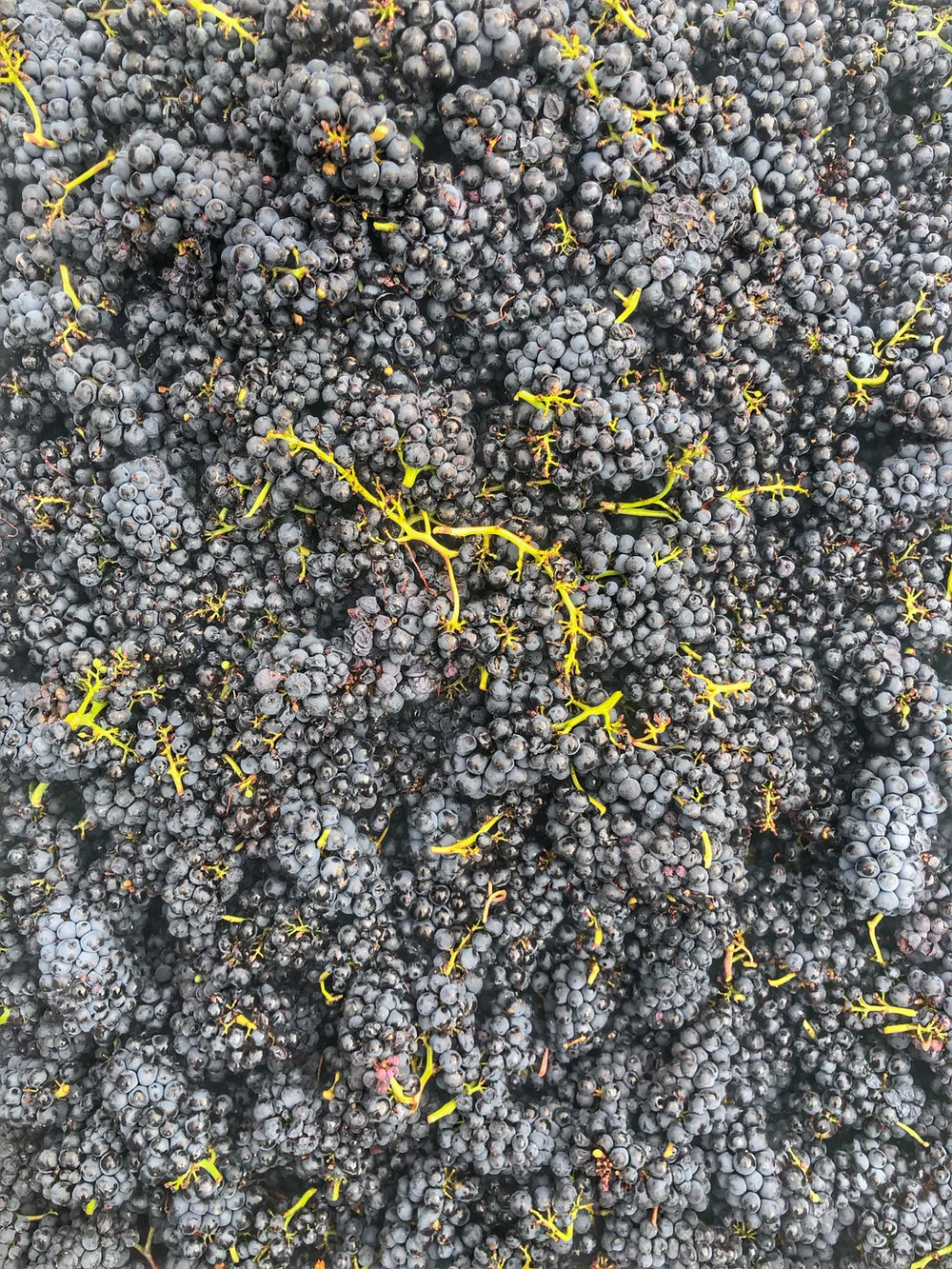
Harvest on 27 August
A dry, sunny summer put the vines under water stress. Occasional storms supplied enough water to complete ripening. Picking began on 27 August. The early start helped retain the freshness and fruit the estate seeks. Yields reached 30 to 35 hl/ha.
The estate compares the wines with 2019 and 2020, describing fruit alongside a structure expected to develop over the following years. This assessment records the wines at the time the report was written.
The report also discusses the whites being presented then. Ageing was extended to 22 months to develop complexity and stability, supported by the natural freshness of the 2021 vintage. An earlier experiment produced a 2020 Aligoté that spent 35 months in a barrel. The whites discussed in this report were bottled without added sulfites.
Vintage
2021
September harvest
April frost affected several parcels, including Aux Vignottes, although the estate suffered less than many neighbouring growers. Cold spring weather initially slowed the vines. Subsequent rain brought rapid growth, requiring adjustments to canopy work and soil management.
Humidity increased powdery and downy mildew pressure. More treatments were needed while conditions made access to the parcels difficult. During the September harvest, grapes were carefully selected in the vineyard and again in the cellar. A recently acquired vibrating sorting table helped with this work.
Volumes were low, but the estate was pleased with the result after a demanding season. A later note, published with the 2022 report, describes fresh 2021 whites aged for 22 months.
Vintage
2020
Harvest from 23 to 30 August
Fine weather arrived in mid-March, at the start of lockdown, and continued until mid-September. The vines were about three weeks ahead from bud burst. Following a hot, dry summer, picking took place from 23 to 30 August. The estate reported its earliest start to harvest up to that point.
The crop was small, with healthy, fully ripe grapes. The estate was pleased with the balance of the first juices. Ageing used recently delivered egg-shaped and diamond-shaped concrete tanks.
The 2022 report later returned to a separate experiment from this vintage: a 2020 Aligoté aged for 35 months in a barrel.
Vintage
2019
Harvest from 11 to 16 September
Vine growth followed its usual pace. Powdery and downy mildew remained a concern during a warm season, while rain arrived at useful moments.
Picking took place from 11 to 16 September. Volumes were small, but the estate was pleased with the quality of the crop and optimistic about the vintage's development.
Vintage
2018
Harvest from 1 to 8 September
Early rain followed by sunshine encouraged healthy, vigorous vines. Two hailstorms disrupted this start. The second, on 15 July, severely damaged roughly half the estate, including the whites, the red Bourgognes and part of the Côte de Nuits-Villages.
Drought and intense heat then brought the season forward. Harvest took place early, from 1 to 8 September.
Vintage
2017
Harvest from 5 to 10 September
After the difficulties of 2016, spring 2017 brought temperatures closer to summer conditions. Bud burst came early, around 6 April. The season maintained this pace through harvest, which ran from 5 to 10 September.
The grapes were aromatic and showed good phenolic ripeness. The estate considered these conditions favourable for expressing its different vineyard sites.
Vintage
2016
In the vineyard
Spring frost and strong disease pressure required close attention and sustained vineyard work.
The estate considered the effort worthwhile. Fermentation involving whole bunches produced wines described as fruit-led, supple and silky, with a balance the estate particularly valued in its report.
Vintage
2015
In the vineyard
A very sunny season allowed the grapes to reach a level of ripeness the estate considered exceptional.
These notes record the tasting at the time.