History & nature
The estate
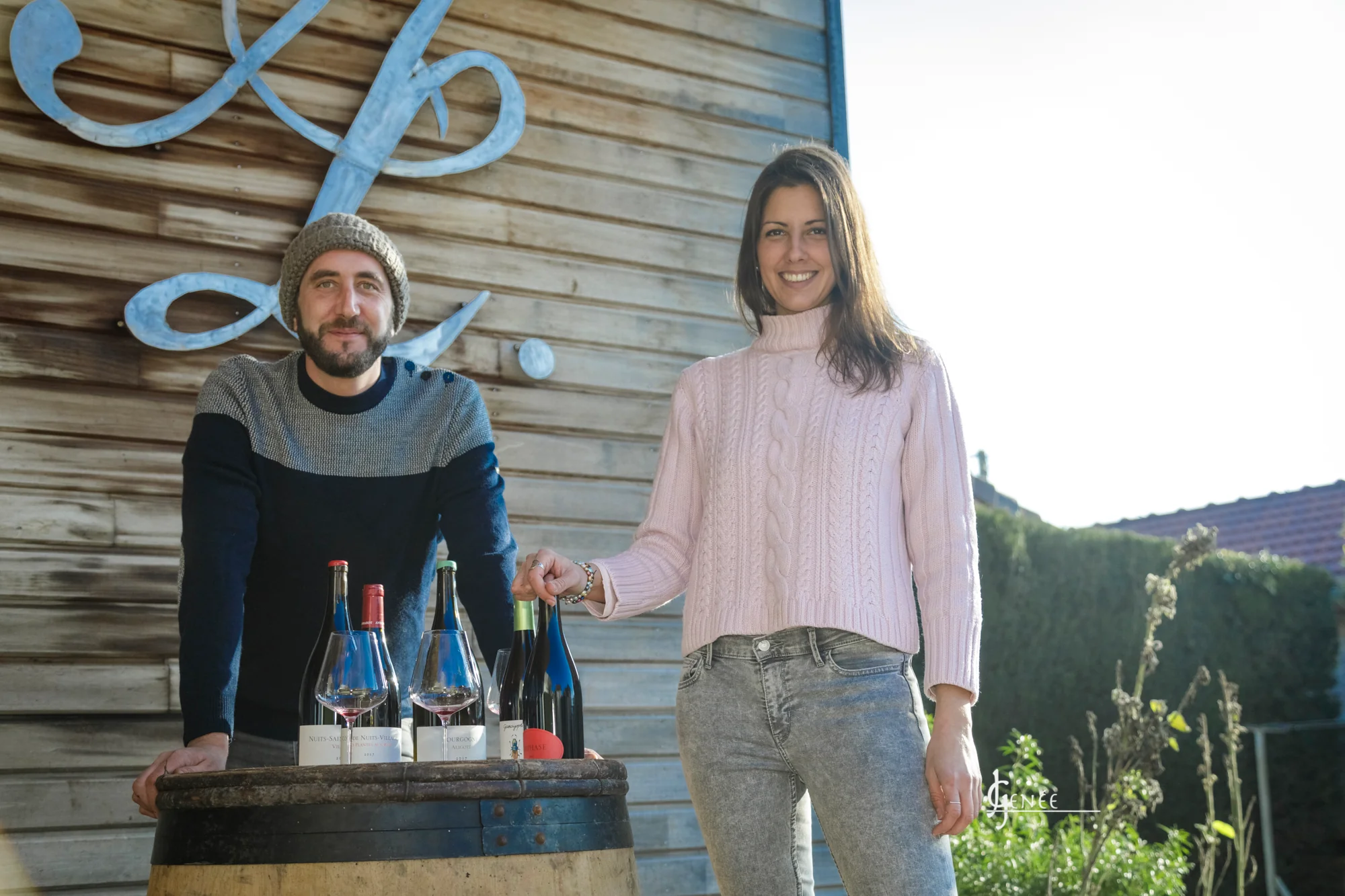
Four generations in Comblanchien. Today Antoine and Héloïse continue the family story in the vineyard and cellar.
History
The Guyots, our ancestors
The Guyot-Lienhardt estate is a family-owned wine estate located between Dijon and Beaune on the Côte d’Or in Burgundy.
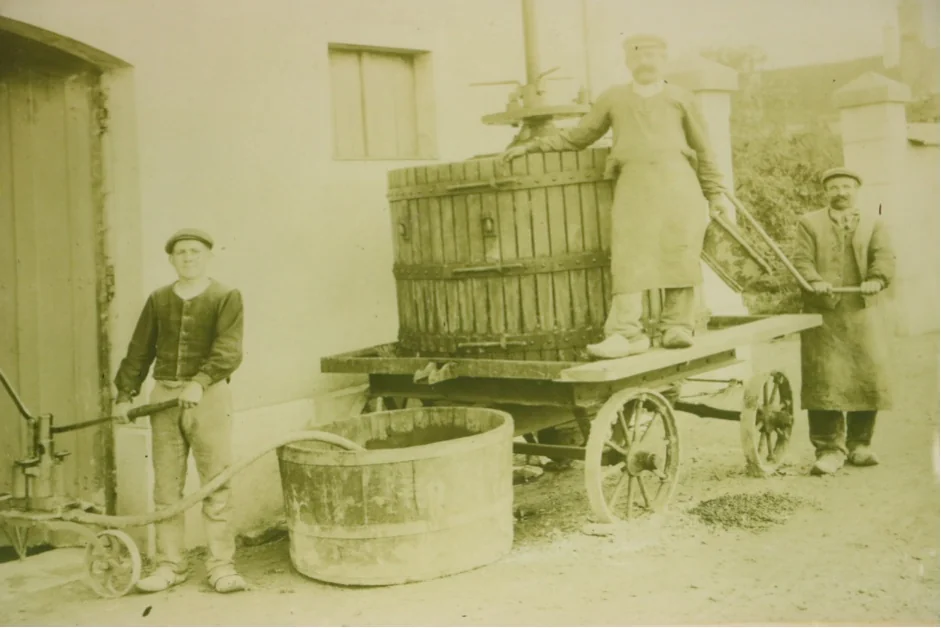
Antoine is the fourth generation of winemakers in the Guyot-Lienhardt family, the first being Gustave Guyot, who bought the land in the second half of the 19th century. His son, Anselme, and his brother George went on to work on the estate. When Anselme retired, Maurice, his only son, took up the reins.
Milestones
19th century
Gustave Guyot acquires the family land.
1904
The family photograph records Gustave, George and Anselme at the press.
1992
Maurice retires and the vineyards are leased out.
2011
Antoine takes over after working in Chablis, Chambolle-Musigny and South Africa.
2017
Héloïse joins her brother at the estate.
From Maurice to Antoine
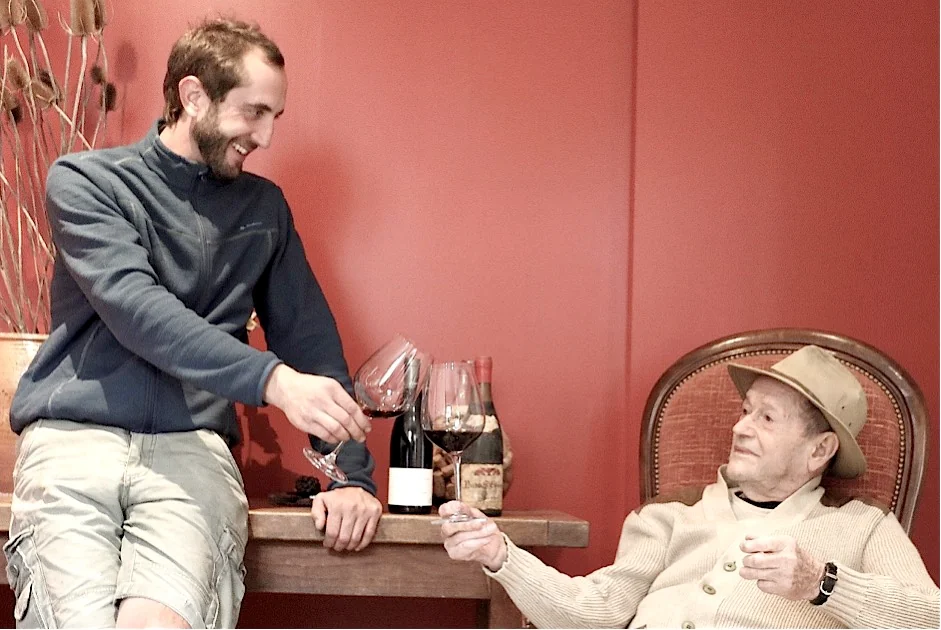
Maurice Guyot was one of the first winemakers in Comblanchien to add value to his wine by selling it in bottle. He was well known for his supple, fruity wines.
Maurice retired in 1992. He passed away on 18 June 2018, at 95 years old.
Antoine and Héloïse, the new generation
Maurice Guyot stopped working in 1992. In 2011 Antoine took over the estate, after several years learning his craft in Chablis, Chambolle-Musigny and South Africa.
With his passion for nature, gastronomy and wine, Antoine’s vocation as a winemaker quickly became clear.
Antoine works in the vineyard as an environmentalist, careful and attentive to preserve the soil, the water resources, the biological life of his vines and the surrounding ecosystem.
His recent conversion to organic farming, together with biodynamic practice, reflects this awareness: preserving the life of the soil and respecting natural cycles and water resources.
Héloïse has always been passionate about wine and gastronomy. She joined the estate in 2017 to co-manage this family adventure with her brother.
She is in charge of administrative tasks and manages exports and shipments to customers. Héloïse is also the estate’s brand ambassador and community manager; you may meet her at wine fairs and open days, in France and abroad.
Antoine in Les Plantes aux Bois
Watch on YouTube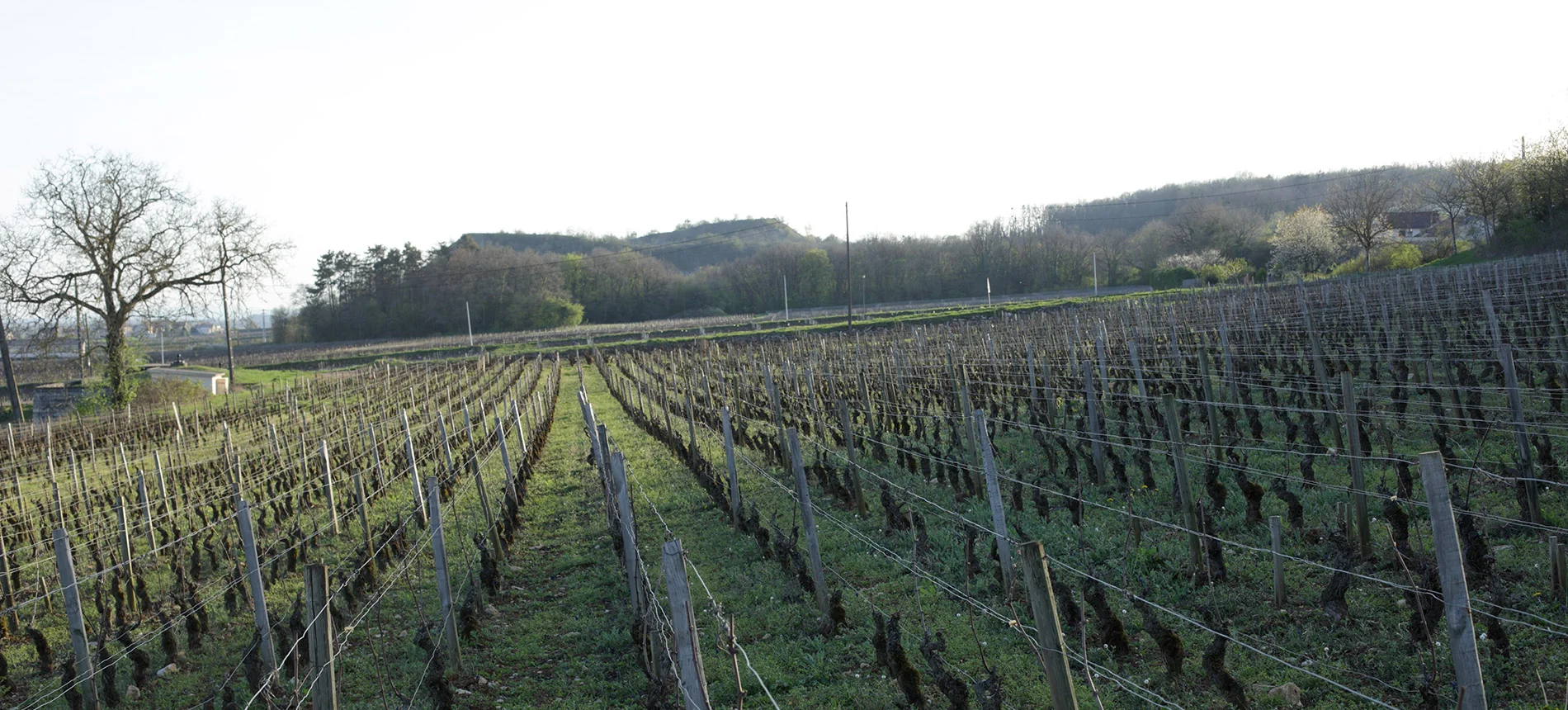
In the vineyard
Organic spirit
In 2016 we began our first year of conversion to organic farming, with the aim of ECOCERT certification for our 2018 vintage. For several years we had already excluded all chemical products from our vines, and we have always ploughed our soils without chemicals. We wanted to accredit our approach with the ECOCERT label.
The 2019 harvest is ECOCERT certified.
A touch of biodynamics
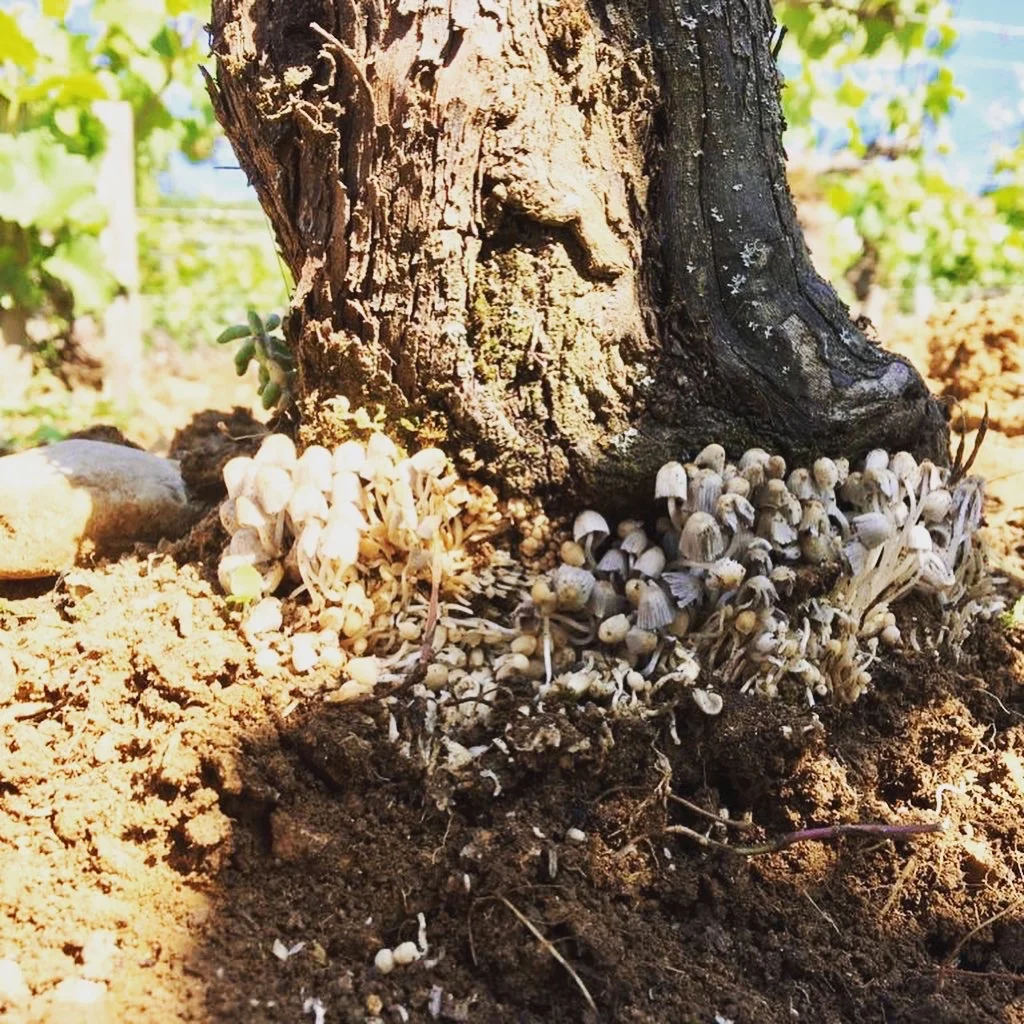
We have always taken the lunar cycle into consideration when working in the vineyard and the cellar. After several decisive meetings, we decided to embark on this new adventure.
Biodynamic practice helps develop, among other things, the aromatic complexity of our wines while preserving the biological vigour of our soils. Perhaps a form of discipline, and a broader place for people in their relationship with the cosmos.
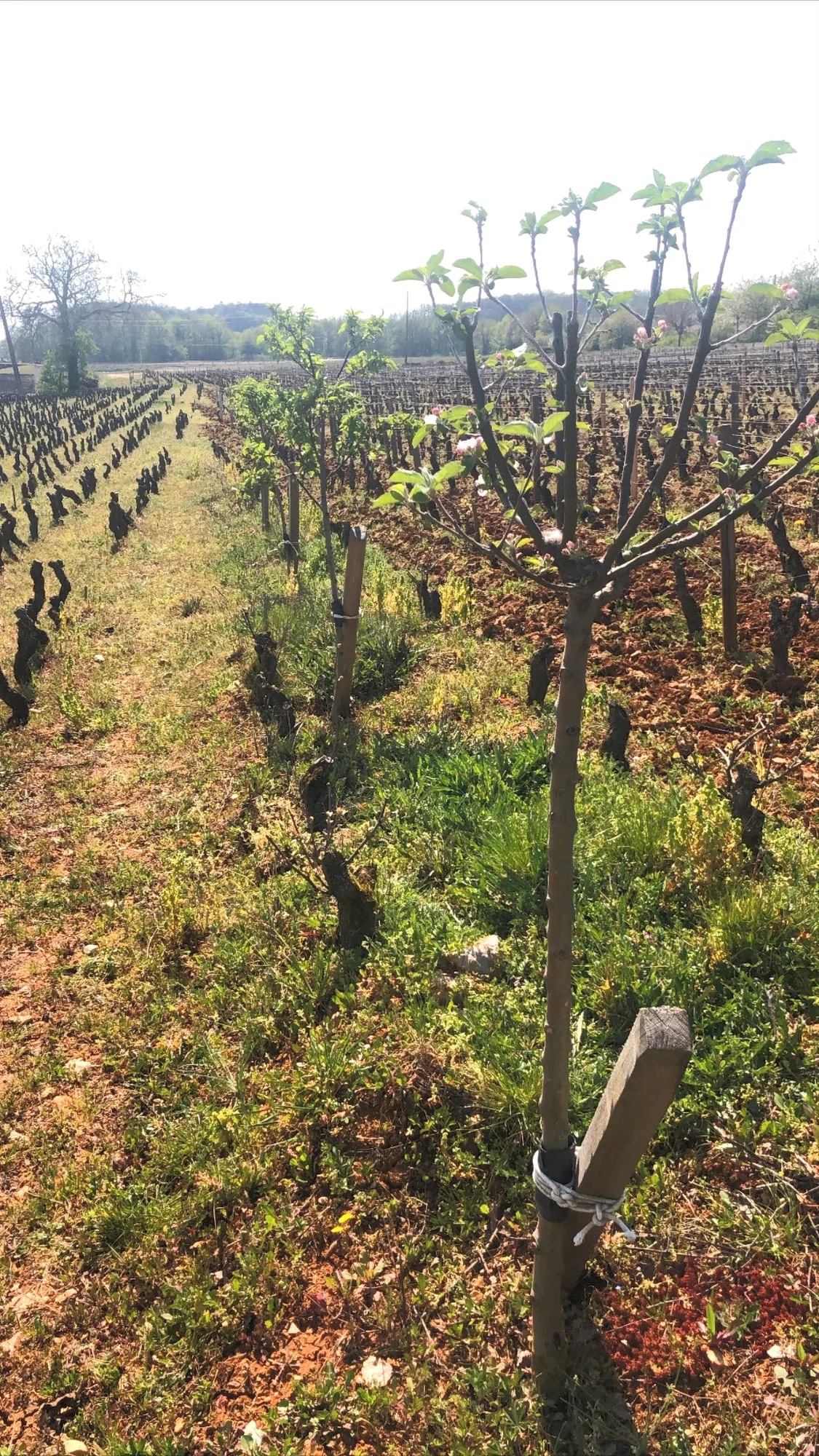
Planting trees
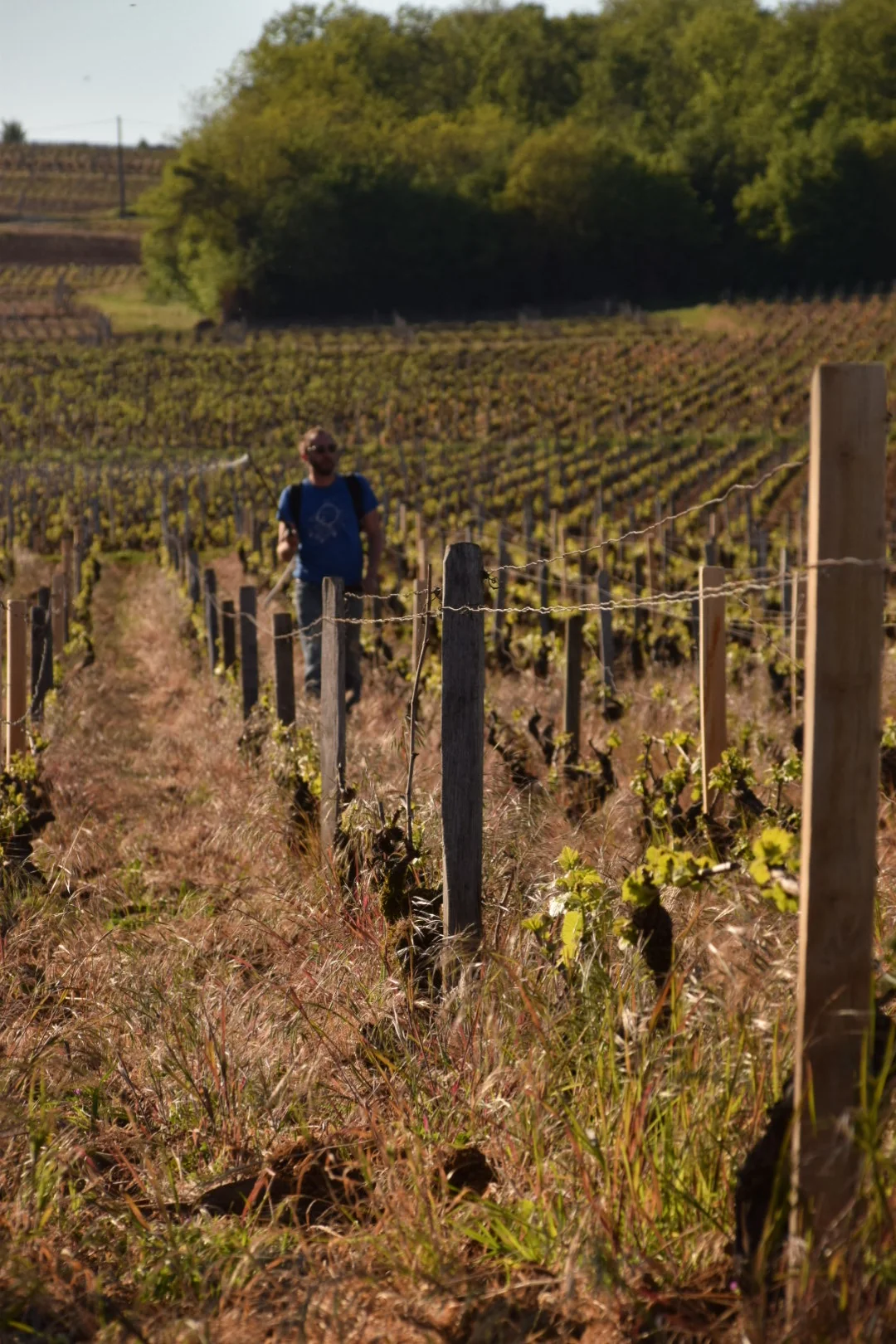
“The best time to plant a tree was 20 years ago. The second best time is now” {Chinese proverb}.
We are sorry for the lack of trees around the plots, which is why we want to plant 5 to 10 trees per year, in the plots as well as in our orchards!
Green manure
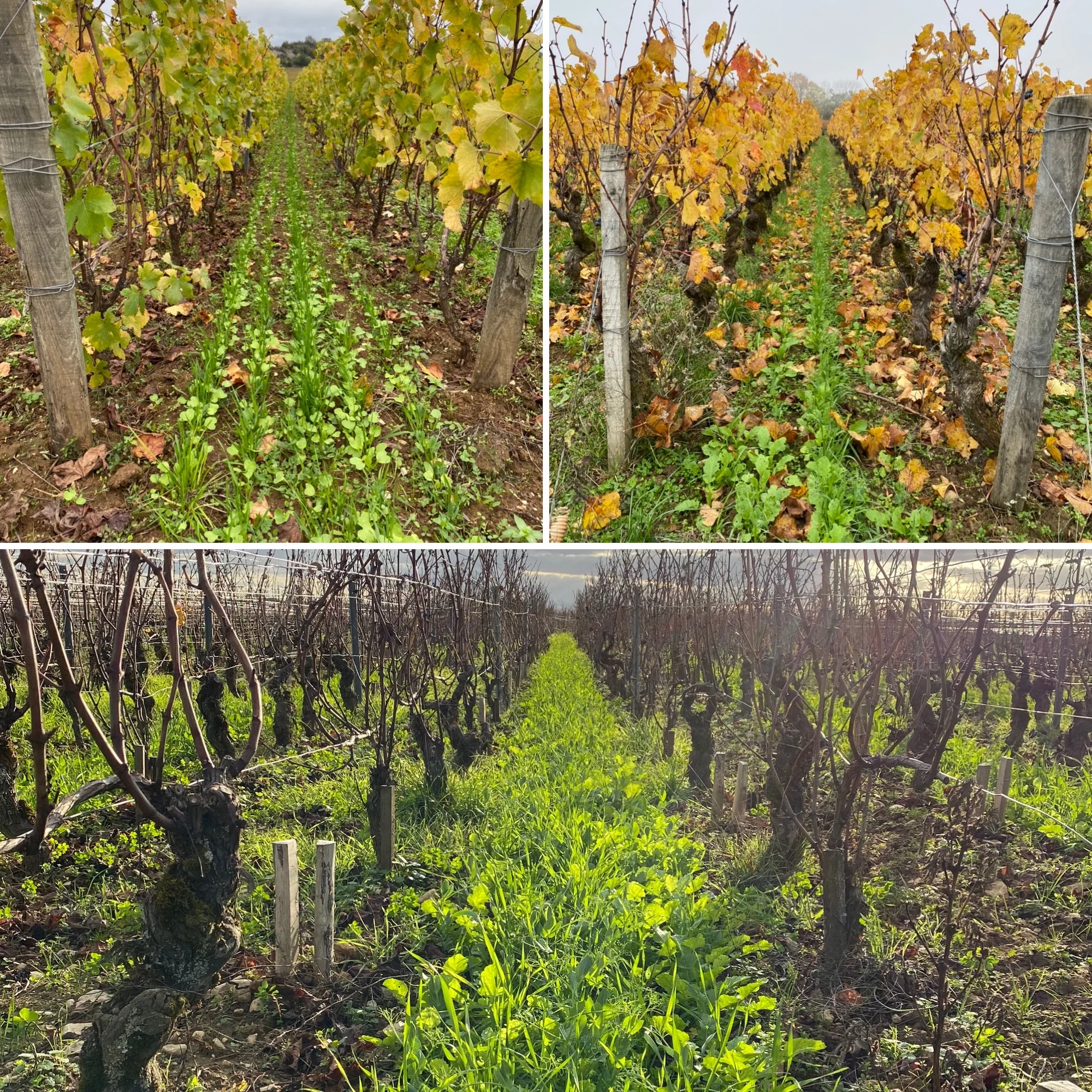
Our environmental approach is constantly being questioned.
In 2020, for the first time, we sowed a winter cover consisting of clover, wheat, peas and Chinese radish.
In the cellar
Natural wines
Our approach to winemaking is to intervene as little as possible, with nothing added and without the systemic treatments traditionally used.
Winemaking
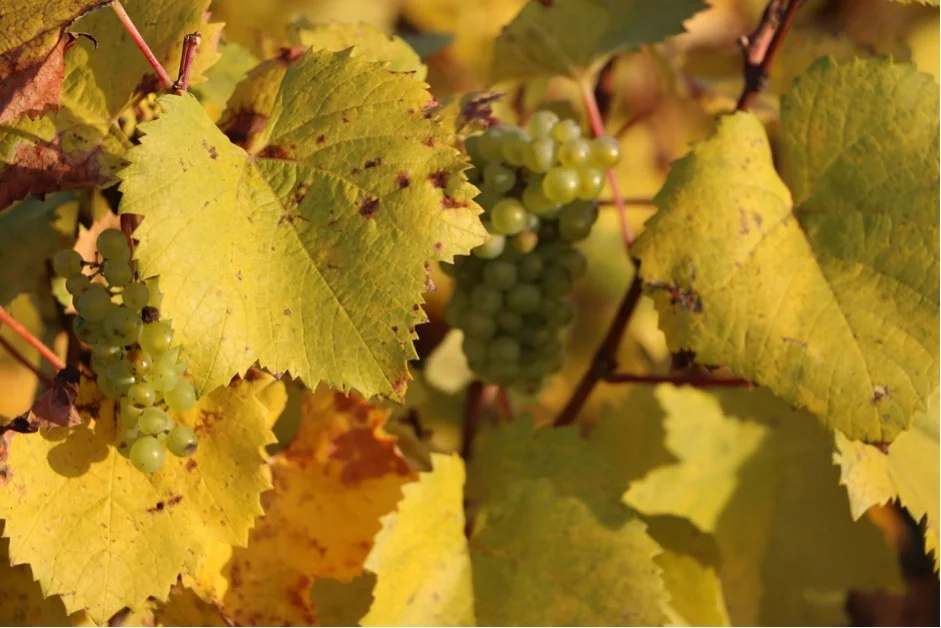
Every bunch is picked by hand. All our wines are made from whole clusters. Winemaking takes place in stainless-steel tanks.
The vatting is short, and punching down or pumping over is carried out according to the profile of each tank. Our wines are made without additives. The white wine is pressed directly and put into barrels for fermentation.
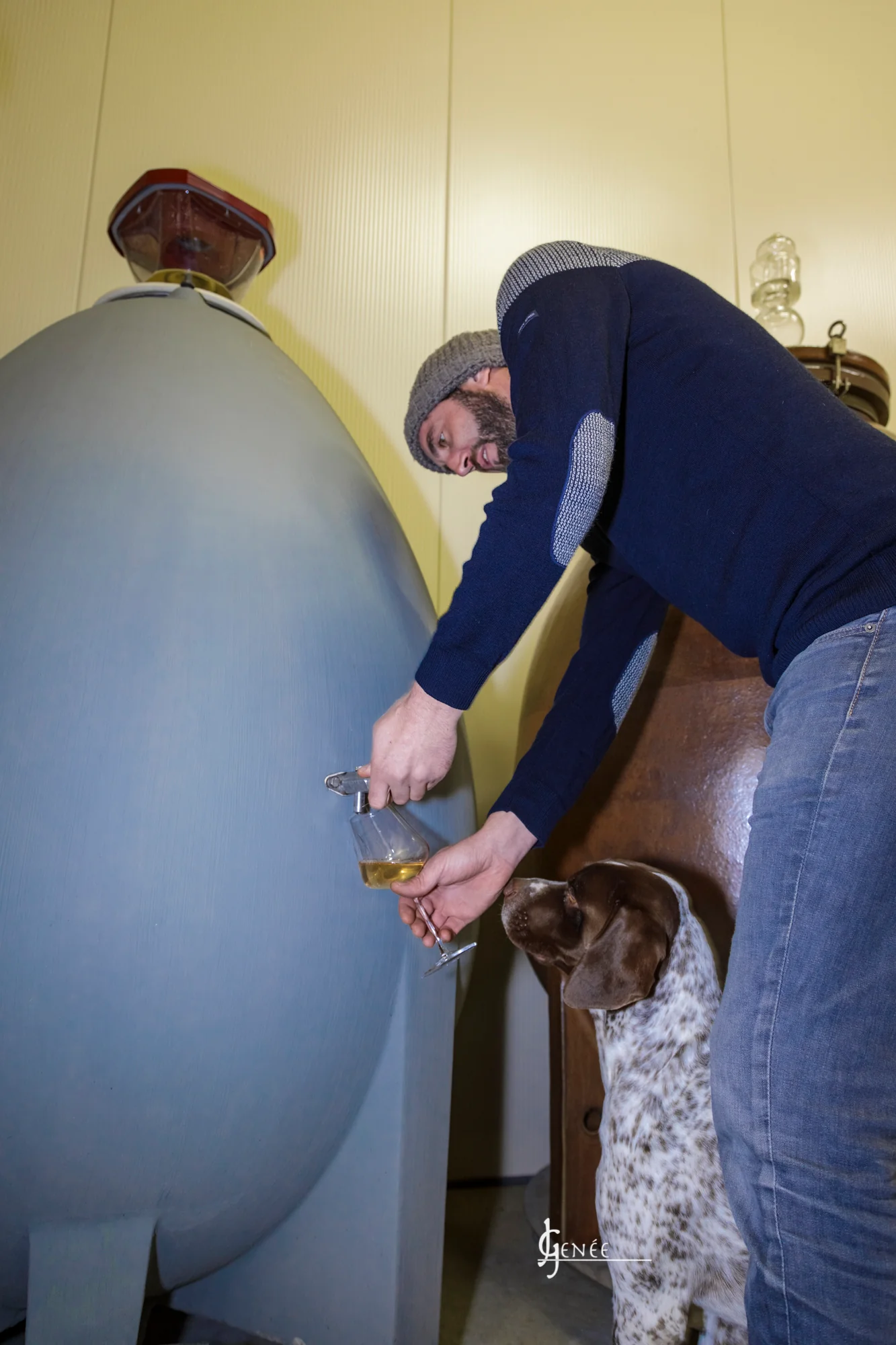
Part of the wines is lowered by gravity into the barrel cellar. Another part is aged in concrete eggs and sandstone jars.